logo

Removing Exterior Paint from Brickwork Around Window Frames and Bay Windows

Removing paint from brickwork is a highly skilled service that requires specialist knowledge, professional equipment, and years of hands-on experience — especially where paint has been applied right up to window frames or bay windows.

Brickwork around windows is one of the most common areas where damage can be caused during paint removal. Window frames leave little room for error, and different materials respond in different ways to heat and paint-softening chemicals. Bay windows add further complexity, with curved brickwork, tight returns, and multiple surfaces meeting in a small area.

I’m Frank Bishop, lead paint removal specialist at Feel The Pressure UK, and I regularly carry out brick paint removal around windows and bay windows, doors, and other intricate brickwork. I’ve personally restored hundreds of residential properties back to their original brick across London and the surrounding counties. These are jobs where good preparation, the right technique, and experience make all the difference. Whether the frames are uPVC, timber, or metal, a controlled approach helps protect both the brickwork and the surrounding finishes.

In this article, I’ll explain why removing paint from brickwork around windows requires extra care, how different window types are affected, and what’s involved in achieving a clean result without unnecessary risk.

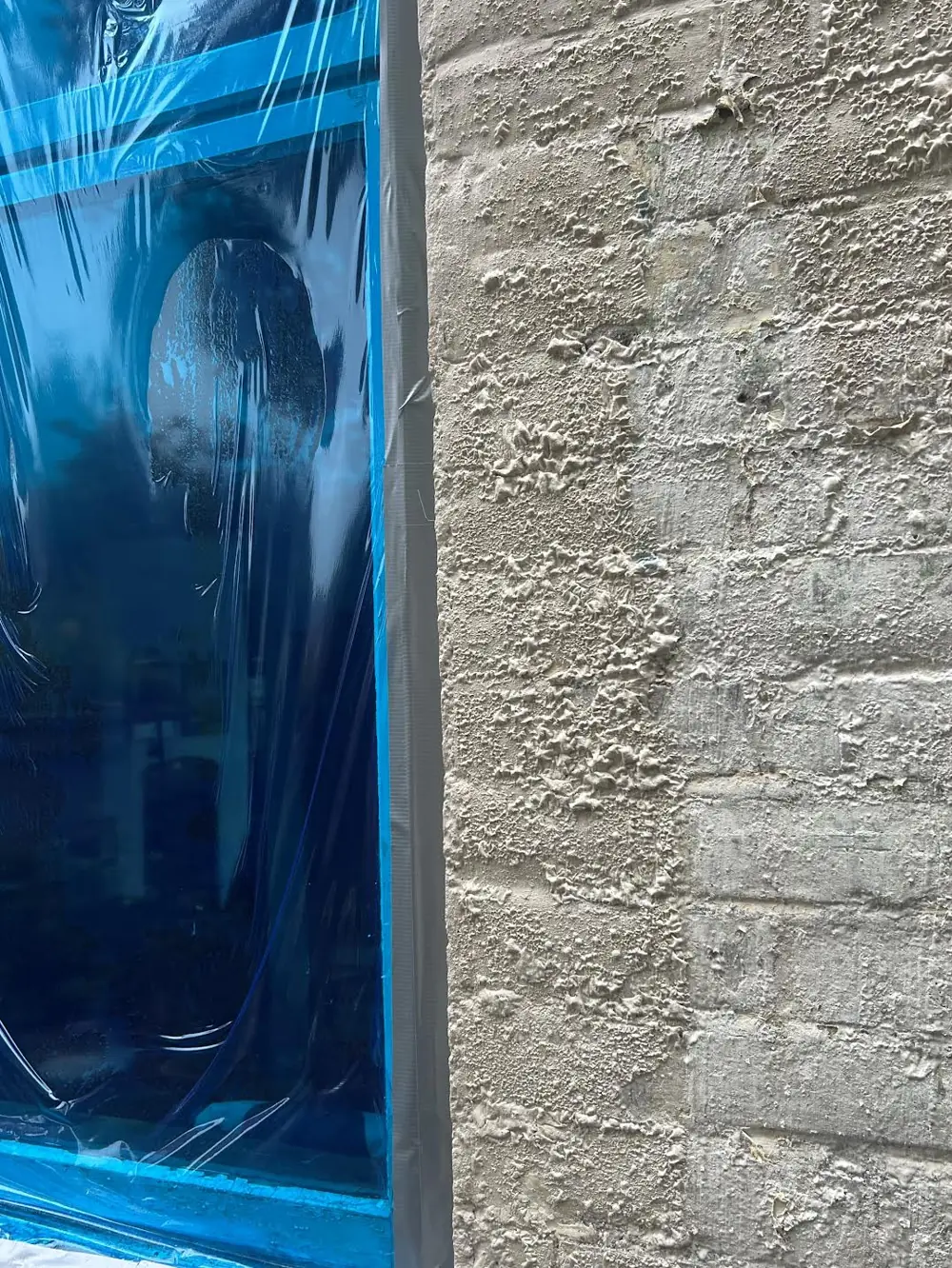
window-and-frame-protected-during-brick-paint-removal-on-a-london-home.webp

Why Brick Paint Removal Around Windows Requires Extra Care

Brickwork around windows is one of the most sensitive areas of any brick paint removal project. Unlike open wall areas, window surrounds leave very little margin for error, with brickwork, mortar joints, and window frames all sitting close together.

Paint is often applied tightly up to the frame and, in many cases, slightly over it. When removal begins, this can cause the paint to lift unevenly or pull against adjoining surfaces if the wrong approach is used. Heat, moisture, and paint-softening chemicals must all be carefully controlled to prevent marking or damaging the surrounding materials.

Removing paint from bay windows adds another layer of complexity, with curved brickwork, tight returns, and decorative detailing creating more edges and junctions that need to be managed carefully. These areas require slower working, smaller sections, and constant monitoring to ensure the paint is removed cleanly without affecting the brick faces, mortar, or window frames.

For this reason, brick paint removal around windows and bay windows is never treated as a one-size-fits-all process. Each property, paint type, and window arrangement needs to be assessed individually before work begins.

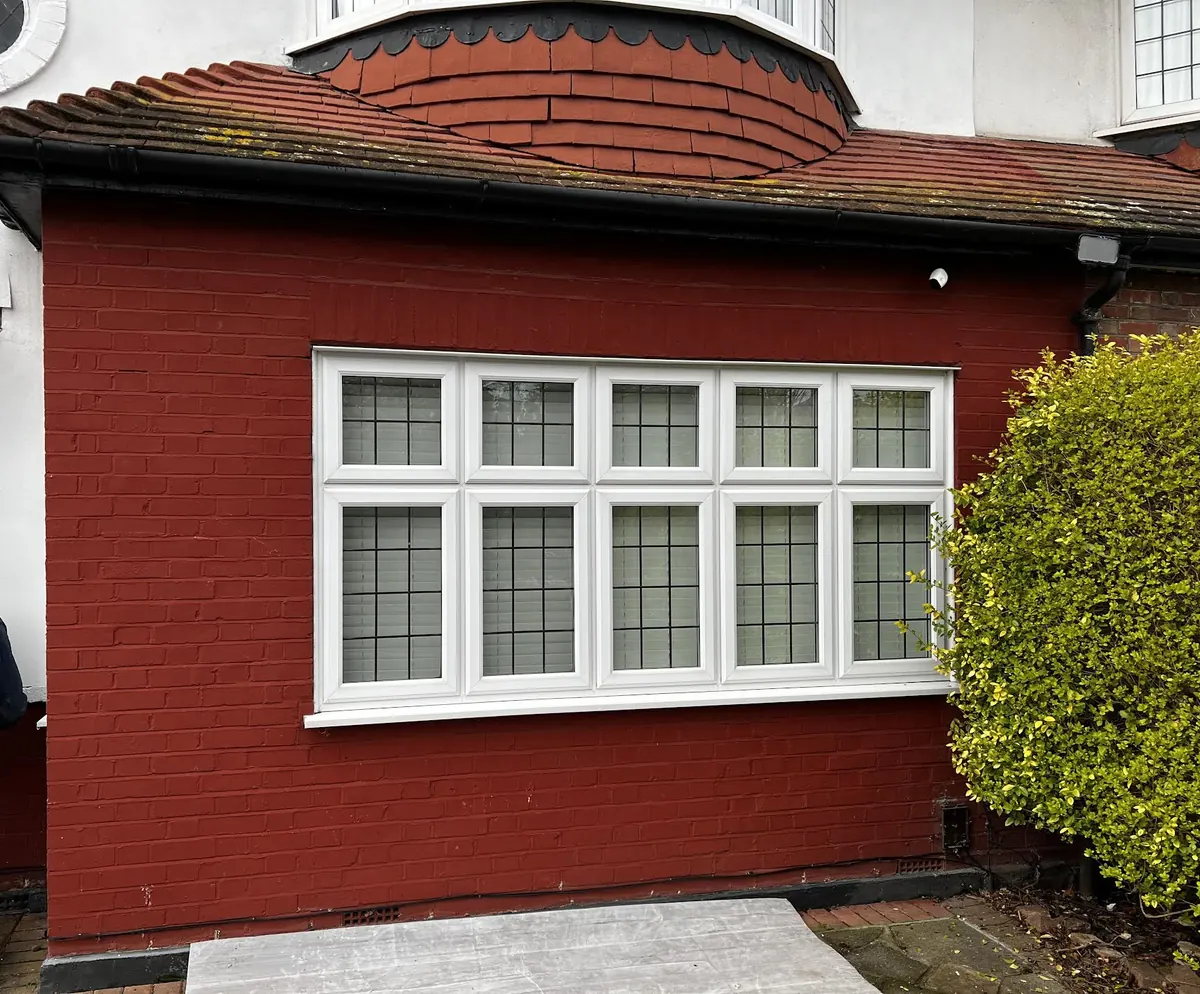
painted-brickwork-around-window-frames-before-protection.webp

The Different Risks to uPVC, Timber, and Metal Window Frames

Not all window frames respond in the same way during brick paint removal. The material, age, and condition of the frame all influence how much tolerance there is when working close to it.

Understanding these differences is essential when removing paint from brickwork around windows, as the wrong approach can cause permanent damage.

uPVC Window Frames

uPVC is one of the most common window materials, but it is also one of the least forgiving during paint removal.

uPVC can:

  • Soften or distort when exposed to excessive heat 

  • Stain if paint-softening chemicals are allowed to dwell too long

  • Mark easily if aggressive tools, abrasive methods, or excessive pressure are used

Once uPVC is damaged, repairs are rarely successful, which is why controlled methods and thorough protection are essential when removing paint around  uPVC frames.

Timber / Wooden Window Frames

Timber window frames, particularly on older or period properties, also require great care. Timber is porous and, if protection is inadequate or the wrong approach is used, it can:

  • Absorb chemicals

  • Discolour or stain

  • Suffer from raised grain if moisture is not carefully controlled

Where timber frames are painted, there is always a risk that paint on the edges of the frames can soften or lift during brick paint removal. This risk exists even when protection is carefully applied, as removing paint from one surface that borders another painted surface can cause movement at the edges.

This is especially common on older windows where paint layers may already be fragile, cracked, or poorly bonded. In some cases, even protective tape can lift loose or damaged paint from timber frames if it is already failing.

For this reason, careful method selection, gentle edge control, and an experienced, measured approach are essential when removing paint from brickwork around painted timber windows.

Metal or Aluminium Window Frames

Metal frames present a different set of risks.

Certain chemicals can:

  • React with metal finishes

  • Cause dulling or etching

  • Leave permanent marks that cannot be polished out

This makes accurate method selection and careful control especially important when working around metal or aluminium windows.

Why Frame Material Influences the Removal Method

Because each window material behaves differently, brick paint removal around windows is never approached in the same way twice. The paint type, brick condition, frame material, and surrounding details all need to be assessed together before work begins.

This is why a test patch and a controlled, methodical approach are always recommended when working close to windows and frames.

precision-masking-and-surface-protection-during-brick-paint-removal-in-london.webp

When to Remove Paint if You’re Replacing or Upgrading Windows

It’s very common for homeowners to install new windows first and then look into removing paint from the surrounding brickwork. While this might seem logical, it is usually not the best order to carry out the work.

In most cases, brick paint removal should be completed before new windows are fitted. Removing paint around existing frames allows the work to be carried out with significantly less risk, as there is more tolerance for careful working without the concern of marking brand-new surfaces.

This same principle applies to any new external features. If you’re planning to replace windows, doors, render, cladding, or other external finishes, carrying out brick paint removal and restoration work first helps eliminate the risk of damage to new surfaces.

Although professional masking and protection can be put in place around new installations, paint removal near newly fitted uPVC, timber, metal frames, or fresh finishes will always carry a degree of risk. Heat, moisture, and paint-softening processes need to be carefully controlled, and even with the highest level of protection, new surfaces are far less forgiving.

Carrying out restoration work first can also be more cost-effective. With fewer protection measures required and less time spent working around delicate new surfaces, the overall process is often quicker and more straightforward. In many cases, this can reduce the cost of the work itself.

If you’re planning multiple external improvements, discussing the correct sequence in advance can help protect your investment, reduce unnecessary risk, and achieve the best possible final result.


Our Customer Feedback