logo

Soft Washing Services

If your exterior surfaces are stained with algae, mould, lichen, or biofilm — or simply looking tired and weathered — professional soft washing is one of the safest ways to restore them without damage.

Soft washing is a specialist low-pressure exterior cleaning method designed for surfaces where aggressive pressure or high-temperature cleaning would be unsuitable. Rather than relying on force, it uses carefully selected cleaning solutions and controlled dwell time to treat organic growth safely and effectively — making it ideal for render, roofs, cladding, and other sensitive exterior materials.

I’m Frank Bishop, founder and lead cleaner at Feel the Pressure UK. With over 15 years of hands-on experience, you’ll deal directly with me from first enquiry through to completion. I provide professional soft washing across London and the Home Counties, personally selecting the most appropriate method for each surface to ensure safe, consistent results.

What Is Soft Washing?

Soft washing is a low-pressure exterior cleaning method used to remove organic growth and environmental contamination through chemical action rather than mechanical force.

Instead of relying on high water pressure or aggressive abrasion, soft washing uses carefully selected cleaning or biocidal solutions. These are applied at very low pressure and allowed sufficient dwell time to break down contamination such as algae, mould, lichen, and biofilm. The surface is then gently rinsed, leaving it clean without unnecessary stress or damage.

This makes soft washing particularly suitable for surfaces that may be damaged by force-based or high-temperature cleaning methods, including:

  • Porous materials

  • Painted or coated surfaces

  • Weathered or ageing finishes

  • Areas at risk from pressure or excessive heat

Common examples include roofs, rendered façades, cladding, and other sensitive exterior materials.

Soft washing is not pressure washing, and it is not simply “low-pressure jet washing”. The cleaning result comes from controlled chemistry and time — not force. When used correctly, it allows organic growth to be treated at its source while preserving the integrity of the surface beneath.

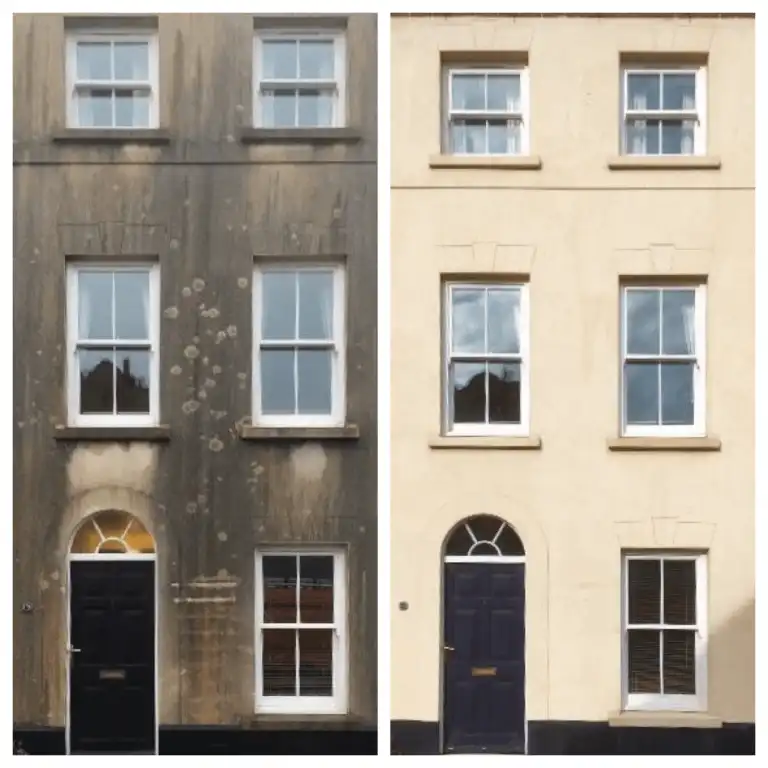
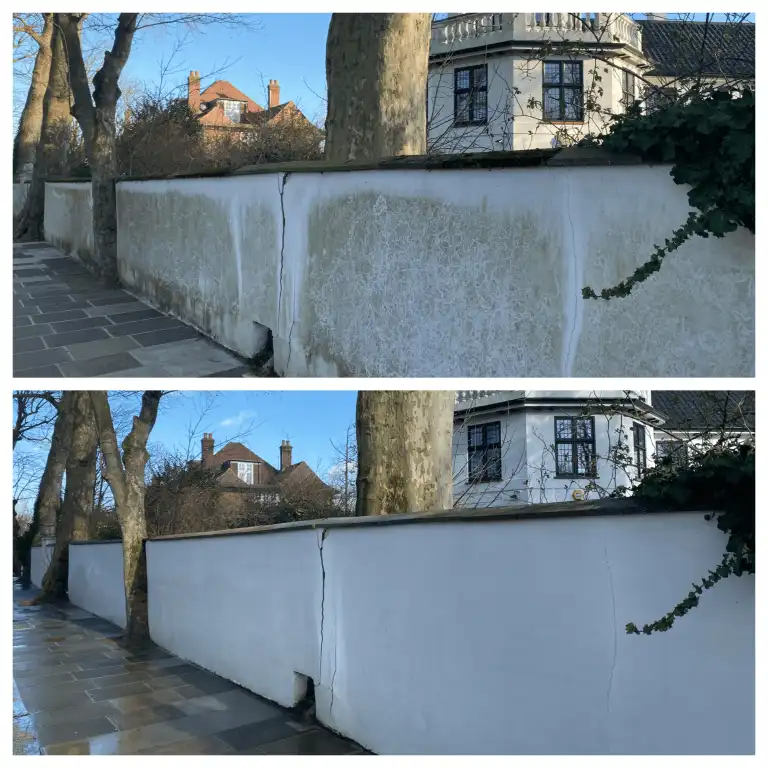
soft-washing-render-cleaning-before-after-100kb.webp

Before and after render cleaning using professional soft washing techniques.

When Soft Washing Is the Right Method

Soft washing is selected where organic growth, surface sensitivity, or existing coatings mean that pressure-based or high-temperature cleaning would be unsuitable on their own. It is most effective where the primary issue is biological contamination rather than heavy soiling that requires mechanical force.

Because soft washing works through chemical action and controlled dwell time, it is particularly well suited to surfaces affected by algae, mould, lichen, and biofilm, where aggressive cleaning could cause damage, patchiness, or premature surface breakdown.

Soft washing is commonly used as part of a wider cleaning approach for modern and painted render, where force-based methods can lead to erosion or finish failure. In these cases, a low-pressure, assessment-led treatment is often the safest and most appropriate option.

It is also widely used in roof cleaning, where pressure washing can dislodge tiles, damage protective finishes, or drive water into the structure. Soft washing allows biological growth to be treated effectively without disturbing the roof covering.

In some situations, soft washing may be used in combination with steam cleaning, where the surface is suitable and additional heat is required to safely lift ingrained contamination without relying on force. This approach is assessed carefully and is typically reserved for more sensitive or technically demanding surfaces.

In other situations, soft washing may be used in combination with pressure washing on more durable exterior surfaces. On areas such as driveways, patios, paving, resin-bound surfaces, and concrete, soft washing solutions can be applied first to treat heavy organic contamination, allowing algae, biofilm, and ingrained growth to be broken down before controlled pressure washing is carried out. When used in this way, soft washing supports a more effective clean while helping to slow the rate of regrowth, without relying on excessive pressure.

In some cases, soft washing may be used selectively on certain stone or cladding systems, but only after careful assessment of the material, its condition, and the surrounding environment. Where stone sensitivity, heritage considerations, or long-term preservation are a concern, alternative specialist methods may be more appropriate.

As with all services at Feel the Pressure UK, the most suitable method is selected based on the surface and conditions present. If soft washing is not the most suitable approach, a different specialist cleaning method will be recommended.
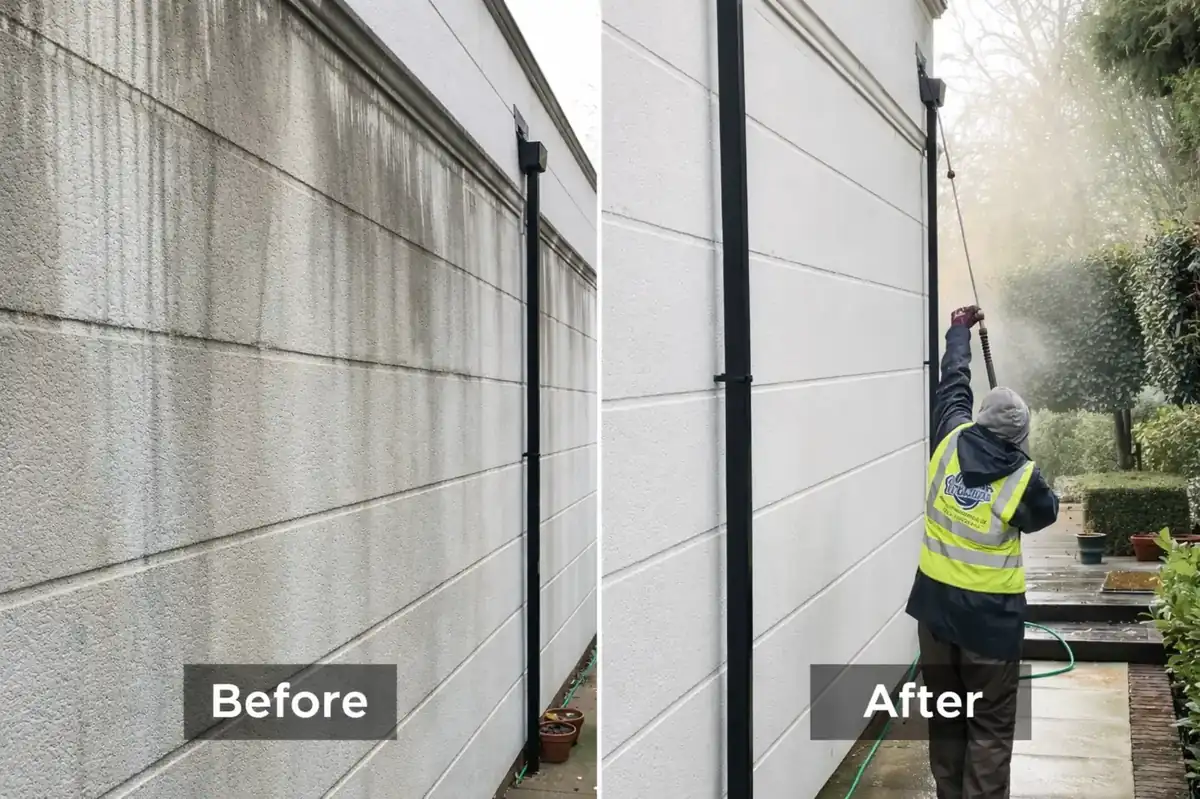
soft-washing-render-before-after-low-pressure-optimized.webp

Rendered exterior before and after soft washing, following surface assessment

Soft Washing vs Pressure Washing

The key difference between soft washing and pressure washing lies in how the surface is cleaned.

Pressure-based cleaning relies on mechanical force to remove dirt and surface contamination. When used on suitable materials, it is highly effective. Soft washing, by contrast, relies on chemical action and dwell time, using very low pressure to treat organic growth without stressing the surface.

Used incorrectly, high-pressure cleaning can cause problems on more sensitive or coated materials. Excessive force may:

  • Erode or scar finishes

  • Strip paints or protective coatings

  • Damage render and softer masonry

  • Drive water into joints, cracks, or the building fabric

For this reason, force-based methods are not suitable for every surface, particularly where biological growth is the main issue rather than heavy soiling.

Soft washing is often selected where the priority is to treat algae, mould, lichen, and biofilm at source, rather than simply removing visible staining. By addressing the biological contamination itself, soft washing can help reduce the speed at which growth returns on appropriate surfaces.

That said, pressure washing remains an essential part of exterior cleaning when used correctly. It is the preferred method for robust, non-delicate surfaces such as hardstanding, paving, and other areas designed to withstand mechanical force. Where pressure washing is the most appropriate option, it is carried out using controlled settings matched to the surface.

At Feel the Pressure UK, the choice between soft washing and pressure washing is made after assessment, not by default. The correct method depends on the surface material, its condition, and the type of contamination present — with the aim always being effective cleaning without unnecessary risk or damage.

pressure-washing-durable-paving-mechanical-force.webp

Durable concrete paving surface suitable for pressure washing and mechanical force

Soft Washing vs Steam Cleaning

The difference between soft washing and steam cleaning lies in how contamination is removed.

Soft washing relies on chemical action and controlled dwell time to treat organic growth at a biological level, using very low pressure to avoid stressing the surface. Steam cleaning, by contrast, uses high temperature rather than chemicals, delivered at low pressure, to lift contamination through heat.

Steam cleaning is highly effective at removing algae, mould, and biological growth where the surface and finish are able to tolerate heat. When conditions are suitable, this allows organic contamination to be lifted cleanly without abrasion, excessive water use, or reliance on chemical treatments.

On certain painted or rendered surfaces, steam cleaning can be used successfully where the coating is sound and stable. In other situations — particularly where coatings are thin, weathered, of unknown composition, or where long-term regrowth control is a priority — soft washing may be preferred. In these cases, chemical treatment and controlled dwell time allow biological growth to be treated without exposing the surface to elevated temperatures, while also helping to slow the return of organic growth.

In some cases, the two methods may be used in a complementary way, but only after careful assessment. Where a surface is delicate, listed, or of heritage importance, steam cleaning may be recommended as the safest primary method. Where heat is not appropriate, or where biological contamination is widespread, soft washing may offer a more suitable solution.

At Feel the Pressure UK, the choice between soft washing and steam cleaning is made after inspection, not by default. Where steam cleaning is the most appropriate option, this will be advised and carried out using specialist low-pressure systems.

Not sure which cleaning method is right for your property?

The safest and most effective approach depends on the surface material, its condition, and the type of contamination present. I assess each surface properly before recommending soft washing, steam cleaning, controlled pressure washing, or a combination of methods, ensuring the right solution is used for the surface — not a one-size-fits-all approach.

Request a free, no-obligation soft washing assessment and quote

Low-pressure steam cleaning being carried out on a painted/rendered surface following inspection and assessment of coating suitability.

Exterior Surfaces Commonly Cleaned Using Soft Washing

Soft washing is commonly used on exterior surfaces where low-pressure, chemical-assisted cleaning is the safest and most effective way to treat organic growth. It is particularly suited to materials that may be damaged by force-based or high-temperature methods, or where long-term control of biological contamination is a priority.

Rather than being applied as a blanket solution, soft washing is selected based on the surface material, its condition, and the type of growth present. Typical applications include:

Rendered façades

Soft washing is frequently used as part of professional render cleaning on modern and painted render where algae, mould, and biofilm can develop across the surface. A low-pressure treatment allows organic growth to be treated thoroughly without risking erosion, patchiness, or damage to the finish.

Roof coverings

On suitable roof surfaces, soft washing is commonly used within roof cleaning services to treat moss, algae, and lichen without disturbing tiles or forcing water into the roof structure. It is often chosen where pressure washing would be inappropriate and where regrowth control is required.

Certain stone and masonry

Soft washing may be used selectively within specialist stone cleaning, but only after careful assessment. Where stone sensitivity, porosity, or heritage considerations are present, alternative cleaning methods such as steam cleaning may be recommended instead.

Painted or coated exterior surfaces

Soft washing is suitable for many painted or coated finishes affected by organic growth, allowing contamination to be treated without aggressive abrasion. The suitability of the coating is always assessed before any treatment is carried out.

Soft washing is not used for paint removal, heavy surface restoration, or where mechanical or thermal methods are more appropriate. Services such as brick paint removal require specialist techniques that are entirely different from soft washing and will always be recommended where relevant.

At Feel the Pressure UK, soft washing is used as one part of a wider specialist exterior cleaning approach, chosen only where it offers the safest and most effective outcome for the surface in question.

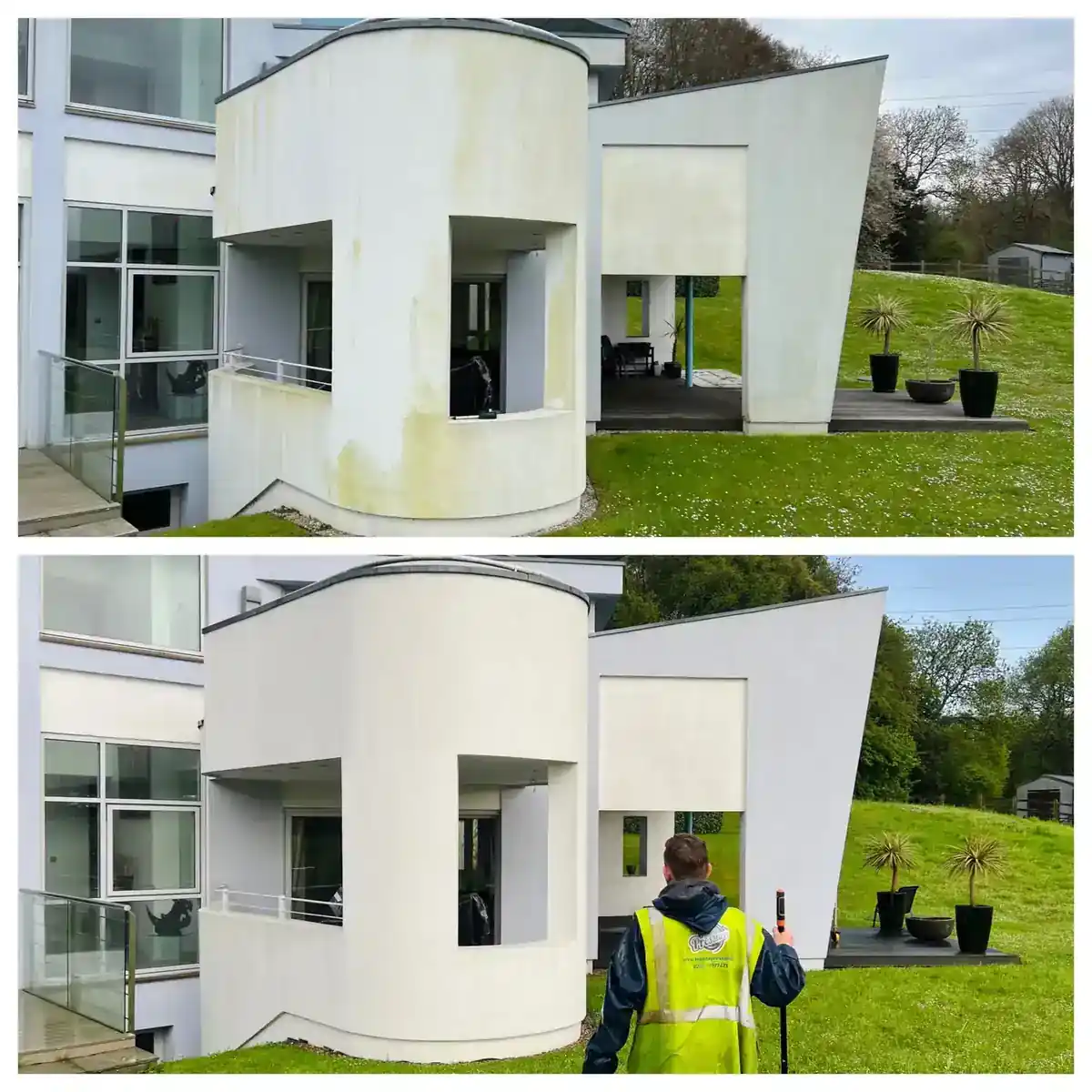
professional-soft-washing-delicate-cleaning-under-100kb.webp

Modern rendered exterior cleaned using professional soft washing.

Benefits of Professional Soft Washing

Professional soft washing offers a safer, more controlled approach to exterior cleaning on suitable surfaces, particularly where force-based or high-temperature methods may cause damage.

Key benefits include:

  • Safe cleaning for delicate surfaces such as render, painted finishes, cladding, and roof coverings

  • Effective removal of organic growth including algae, mould, lichen, and biofilm

  • Reduced risk of surface damage, erosion, or coating failure compared with aggressive pressure washing

  • More even results without patchiness or visible scarring

  • Slower regrowth on suitable surfaces, as contamination is treated at a biological level rather than just removed from the surface

  • Minimal disruption, lower water usage, and no aggressive jetting on suitable surfaces

Because soft washing works through controlled chemistry and dwell time, it allows contamination to be broken down gently without stressing the surface beneath. In many cases, results continue to improve after cleaning as residual growth naturally degrades and washes away over time.

The suitability of soft washing will always depend on the surface material, its condition, and the type of contamination present. Where another specialist method offers a better or safer result, this will be recommended instead.

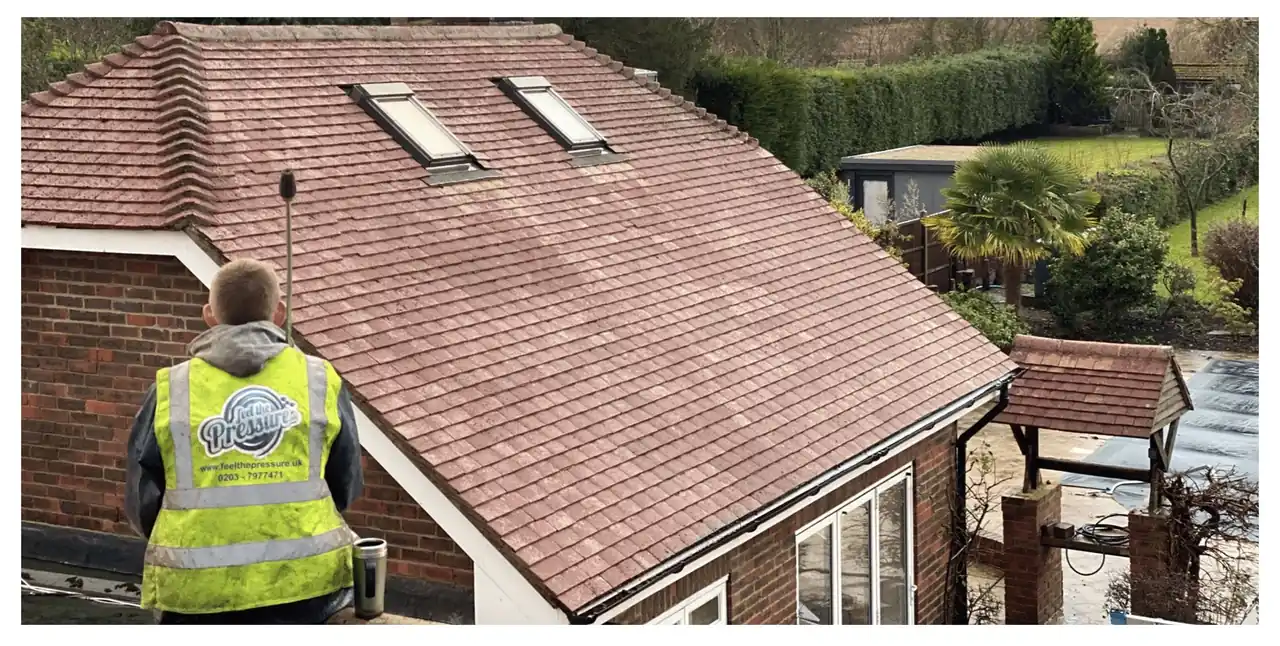
feel_the_pressure_roof_cleaning1.webp

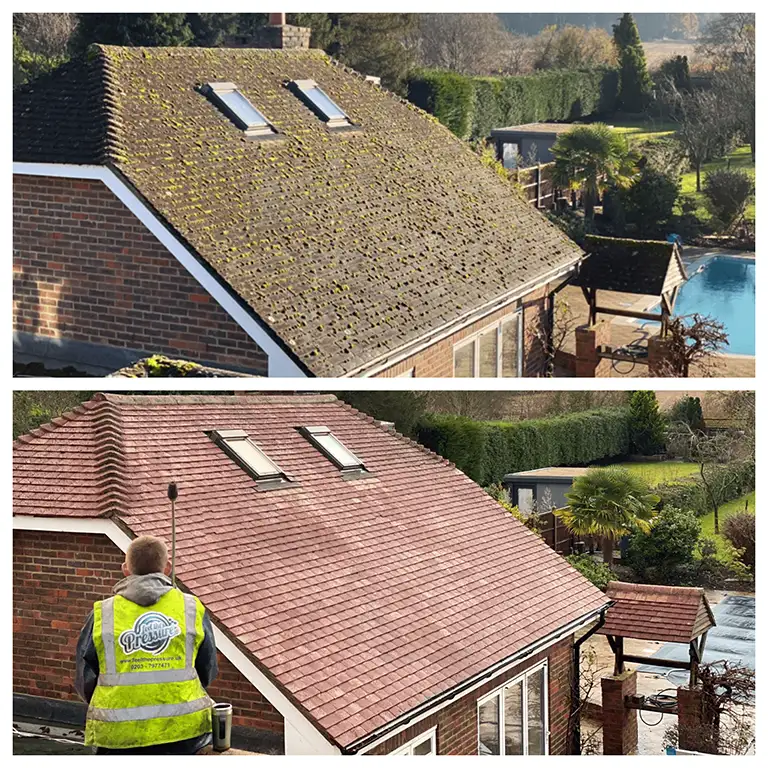
Before and after roof cleaning using a low-pressure soft washing method to safely remove moss and lichen.

Why Choose Feel the Pressure UK for Soft Washing

Professional soft washing requires knowledge, skill, and experienced judgement to select the most appropriate method for the surface. At Feel the Pressure UK, it is never treated as a default solution, but as one of several specialist cleaning methods chosen only when appropriate.

When you contact Feel the Pressure UK, you deal directly with me — Frank Bishop. I personally assess the surface, explain the available options clearly, and lead the work on site from start to finish. There are no sales teams and no subcontractors — just clear, honest advice from an experienced professional, supported by over 210 genuine 5-star reviews on Google.

With over 15 years of hands-on experience in exterior cleaning, I work across a wide range of materials and property types, including residential homes, commercial buildings, and sensitive or higher-risk surfaces. This experience allows the most suitable method to be selected confidently — whether that is soft washing, steam cleaning, controlled pressure cleaning, or a combination of approaches across the same property.

What sets our soft washing service apart:

  • Assessment-led method selection
    Every job begins with inspection and, where necessary, test patches — ensuring the chosen method is right for the individual surface.

  • No blanket treatments
    Soft washing is applied selectively, not automatically. If another method is safer or more effective, that option is recommended instead.

  • Multi-method capability
    Soft washing, steam cleaning, and pressure washing are used where appropriate — sometimes in combination — to ensure each surface is cleaned correctly.

  • Careful, controlled application
    Low-pressure techniques, surface-appropriate products, and responsible working practices are used throughout.

  • Direct accountability
    You are dealing with the person who inspects the surface, carries out the work, and stands behind the result.

This approach ensures soft washing is used for the benefit of the surface, not for speed or convenience — delivering effective cleaning while protecting the integrity of the material.

frank-bishop-exterior-cleaning-specialist.webp

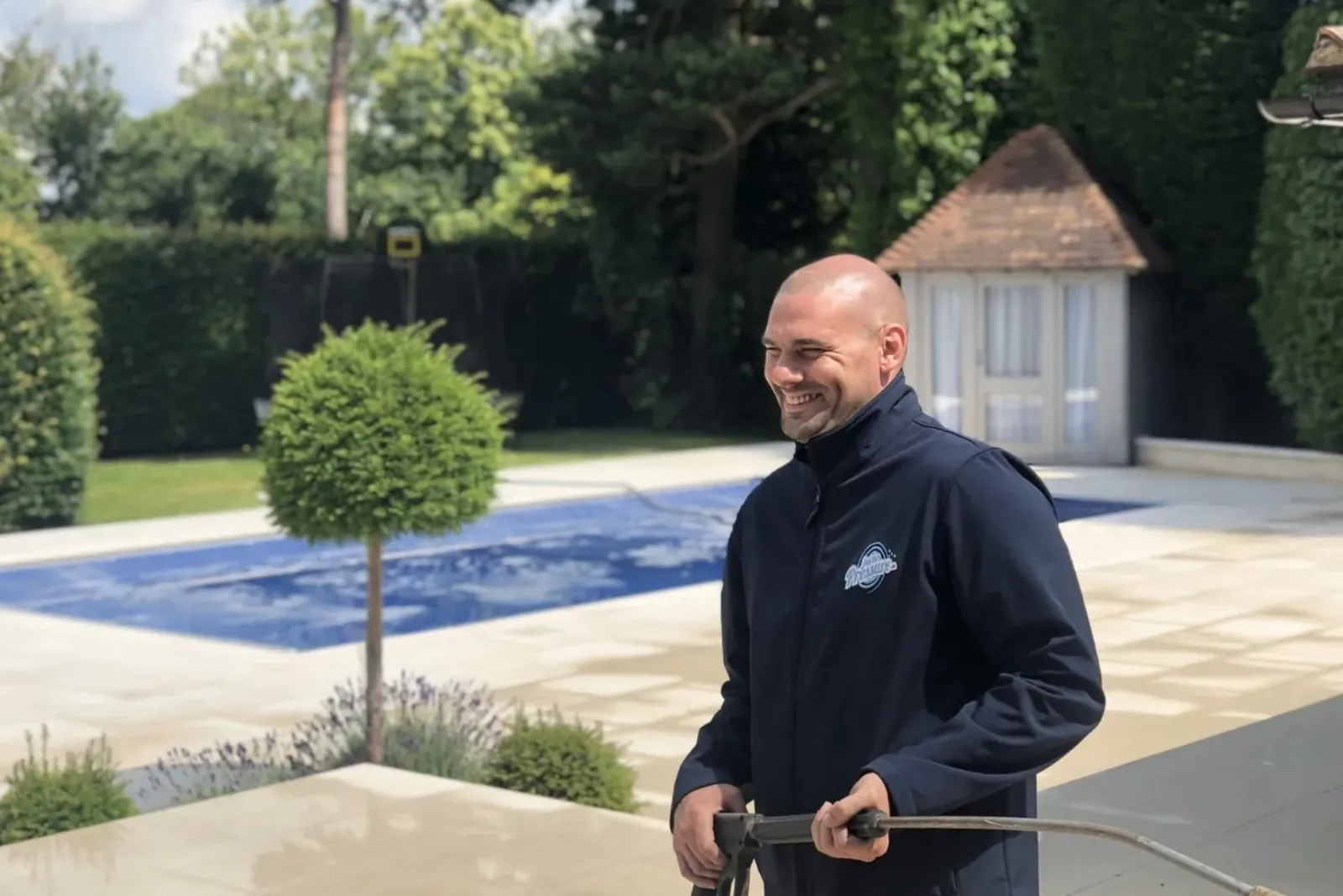
Feel the Pressure UK delivering professional exterior cleaning results across London and the Home Counties.

Request a Free Soft Washing Quotation

If your exterior surfaces are looking tired, stained, or affected by algae, mould, or organic growth, now’s the time to get them cleaned safely and properly.

At Feel the Pressure UK, we provide professional soft washing services across London, the Home Counties, and surrounding areas, using low-pressure systems designed for render, brickwork, cladding, roofs, and other delicate surfaces — including heritage and listed properties.

All quotations and work are carried out by me personally — Frank Bishop, founder and lead cleaner, with over 15 years of hands-on experience. I offer clear, honest advice, excellent value for money, and a proven service backed by 210+ five-star customer reviews.

Contact me today for a free, no-obligation soft washing quote and have your exterior surfaces professionally restored.

feel_the_pressure_render_cleaning2.webp

Professional Cleaning Results Using a Range of Delicate Cleaning Methods

Swipe to view before & after examples from real work

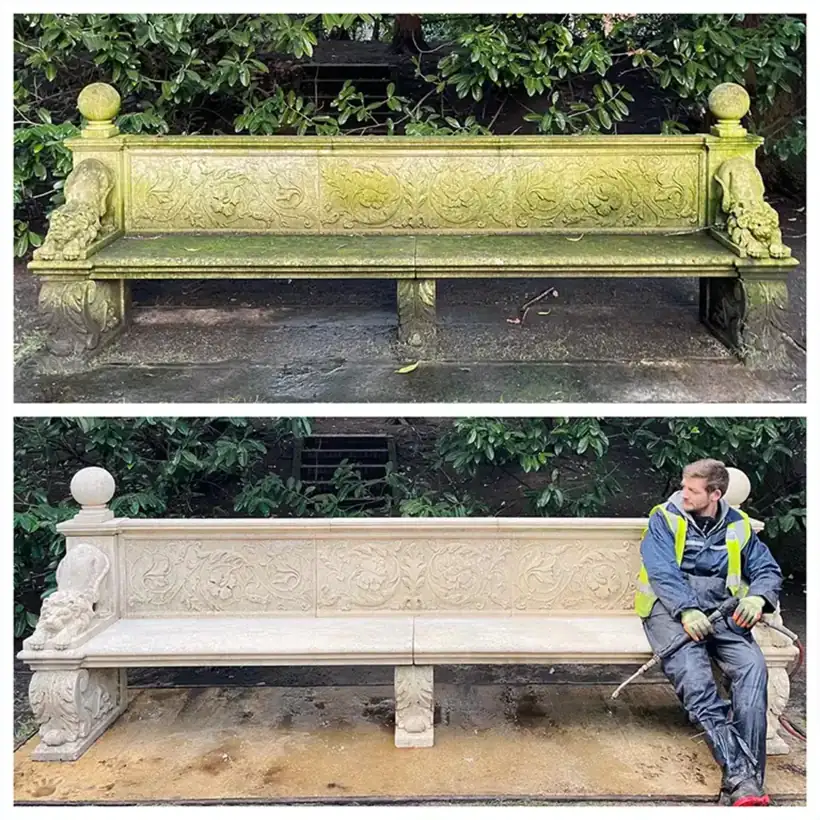
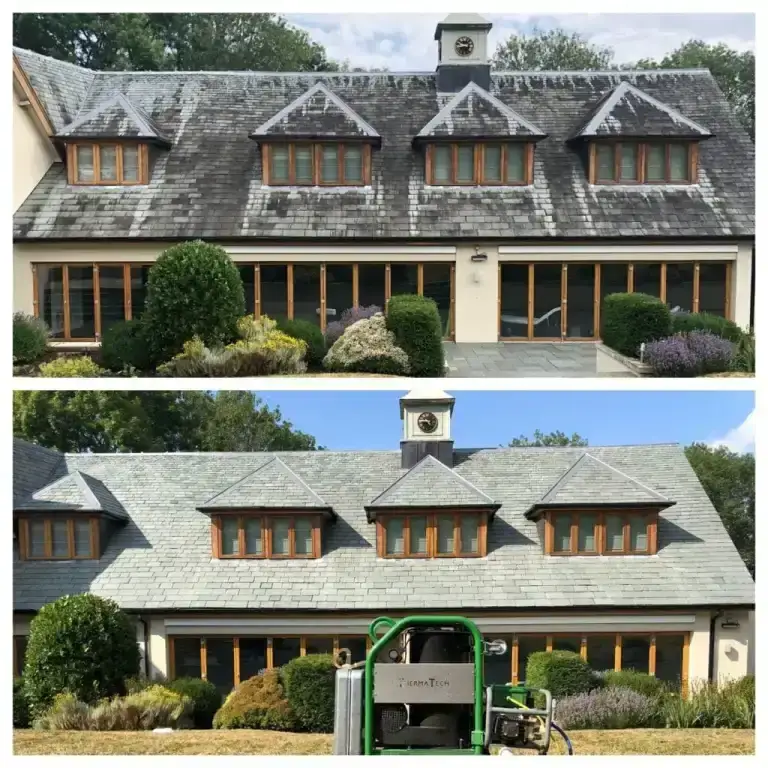
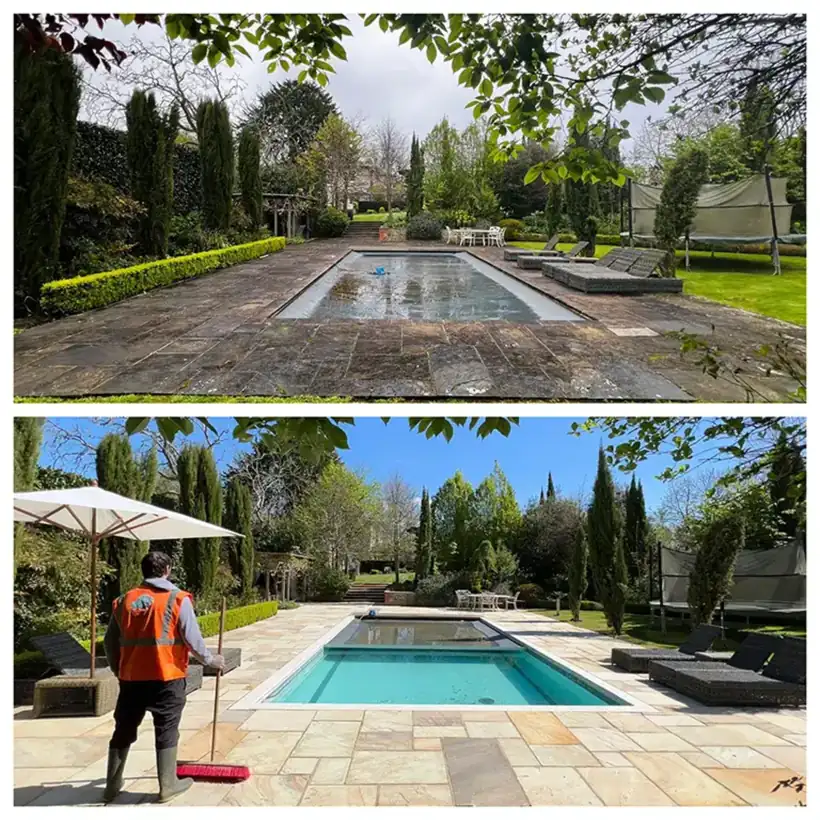
The examples below show a range of exterior surfaces cleaned using surface-appropriate, low-impact methods following professional assessment. Depending on the material and condition, this may include soft washing, steam cleaning, or other specialist techniques.

stone-bench-before-after-delicate-cleaning-3.webp roof-before-after-delicate-cleaning.webp patio-before-after-delicate-cleaning.webp

Frequently Asked Questions

Below are clear, honest answers to the most common questions homeowners and property managers ask before booking professional soft washing services — including surface suitability, safety, method selection, and how results typically perform over time. Every answer is based on real hands-on experience and the assessment-led approach I use on every soft washing project I carry out.

Soft Washing FAQs-

What surfaces are best cleaned using soft washing?-

Soft washing is commonly used on render, roofs, cladding, painted finishes, and other delicate exterior surfaces affected by algae, mould, lichen, or biofilm. Suitability is always confirmed following inspection.

Is soft washing safe for render and painted surfaces?+

Yes. When carried out correctly, soft washing is specifically chosen for render and painted or coated surfaces because it uses very low pressure. This avoids the surface damage, erosion, or coating failure that can occur with aggressive pressure washing.

Can soft washing damage render or exterior coatings?+

No — not when the correct products and techniques are used. In many cases, soft washing is selected to prevent damage on sensitive surfaces where pressure washing or heat could cause long-term issues.

Is soft washing better than pressure washing?+

Neither method is better in every situation. Soft washing is preferred where organic growth is the main issue and the surface may be damaged by force. Pressure washing is more suitable for durable surfaces designed to withstand mechanical cleaning.

Does soft washing effectively remove algae, mould, and lichen?+

Yes. Soft washing treats organic growth at a biological level rather than simply removing surface staining. This allows algae, mould, lichen, and biofilm to be broken down effectively.

Does soft washing help prevent algae from coming back?+

Soft washing can help slow the return of organic growth on suitable surfaces because it treats contamination at its source. However, environmental factors such as shade, moisture, and exposure will always influence regrowth over time.

Is soft washing safe for roof cleaning?+

In many cases, yes. Soft washing is commonly used on roofs where pressure washing would be unsuitable, allowing moss, algae, and lichen to be treated without dislodging tiles or forcing water into the roof structure.

Do you always use soft washing, or do you offer other cleaning methods?+

No. Soft washing is one of several specialist exterior cleaning methods used at Feel the Pressure UK. The most appropriate method — whether soft washing, steam cleaning, pressure washing, or a combination — is chosen only after assessment.

Do you offer free soft washing quotes?+

Yes. All soft washing quotations are free and no-obligation, and you’ll deal directly with me — Frank Bishop — from assessment through to completion.

Show More Show Less

Latest Blog Posts

Patio Cleaning Around Swimming Pools: Safe, Non-Slip & Professional Results

Swimming Pool Surround Cleaning Services

We provide specialist swimming pool surround cleaning services for patios, paving and natural stone around swimming pools. These areas require careful, professional cleaning due to constant moisture, algae growth and surface contamination that can quickly make them slippery and unsafe.

Working across London, Surrey and the Home Counties, every poolside surface is assessed individually to determine the safest and most effective cleaning method — whether that involves DOFF steam cleaning, controlled pressure washing or targeted treatments to remove algae and restore the surface properly.

Patio areas around swimming pools and pool surrounds are one of the most challenging outdoor surfaces to keep clean. Constant moisture, organic growth and regular use create the perfect conditions for algae, staining and slippery surfaces to develop — often without homeowners realising how quickly it builds up.

I’m Frank Bishop, founder of Feel The Pressure UK. With over 15 years’ hands-on experience, I provide specialist poolside patio cleaning services and swimming pool surround cleaning services.

With over 200 verified 5-star customer reviews, I’ve built a reputation for reliable, high-quality patio and poolside cleaning across London, Surrey and the Home Counties.

Using a range of specialist cleaning methods — including DOFF steam cleaning, carefully controlled pressure washing, and targeted professional treatments where appropriate depending on the surface type — I safely clean and restore patios around swimming pools, removing built-up contamination and bringing back the natural colour of the stone without damaging the surface, jointing or surrounding areas.

When you contact Feel The Pressure UK, you deal directly with me — not a sales team or subcontractors. Every poolside patio cleaning project is personally assessed and carried out with a focus on safe, consistent and professional results.

Poolside patios don’t just become unsightly — they can become dangerously slippery. Removing algae and surface contamination properly not only improves appearance but also restores grip underfoot, making the area safer to use.


Read more
pool_patio_cleaning_before_after_sandstone_surrey.webp

Removing Exterior Paint from Brickwork Around Window Frames and Bay Windows

Removing paint from brickwork is a highly skilled service that requires specialist knowledge, professional equipment, and years of hands-on experience — especially where paint has been applied right up to window frames or bay windows.

Brickwork around windows is one of the most common areas where damage can be caused during paint removal. Window frames leave little room for error, and different materials respond in different ways to heat and paint-softening chemicals. Bay windows add further complexity, with curved brickwork, tight returns, and multiple surfaces meeting in a small area.

I’m Frank Bishop, lead paint removal specialist at Feel The Pressure UK, and I regularly carry out brick paint removal around windows and bay windows, doors, and other intricate brickwork. I’ve personally restored hundreds of residential properties back to their original brick across London and the surrounding counties. These are jobs where good preparation, the right technique, and experience make all the difference. Whether the frames are uPVC, timber, or metal, a controlled approach helps protect both the brickwork and the surrounding finishes.

In this article, I’ll explain why removing paint from brickwork around windows requires extra care, how different window types are affected, and what’s involved in achieving a clean result without unnecessary risk.

Read more
window-and-frame-protected-during-brick-paint-removal-on-a-london-home.webp

Brick Arch Paint Removal – Case Study

Careful Restoration of Arched Brickwork

Painted brick arches are one of the most commonly mishandled features on older properties. Their curved faces, exposed mortar joints, and often softer bricks mean that aggressive paint removal methods can quickly cause irreversible damage.

This project involved the careful removal of paint from a brick arch using a controlled, step-by-step process designed to protect the brickwork and surrounding surfaces while restoring its original appearance. Rather than relying on high pressure or abrasive techniques, the focus was on preparation, protection, and gentle brick paint removal — an approach particularly well suited to arched and decorative brickwork.

The images below document each stage of the brick arch paint removal process, from the initial condition and protection through to paint softening, steam cleaning, and the final result, where the brick’s natural colour and detail were successfully revealed without surface damage.

Read more
brick-arch-paint-removal-before-under-100kb.webp

What to Expect After Brick Paint Removal

I’m Frank Bishop, founder and lead cleaner at Feel the Pressure UK, and I’ve been providing the very best in brick paint removal, brick cleaning, and brick restoration services for over 15 years.

Over that time, I’ve personally restored hundreds of residential and commercial properties across London, the Home Counties, and surrounding areas — from classic London yellow stocks to delicate soft red rubbers, textured brick, and handmade bricks. We’ve restored them all.

Before starting any full-scale paint removal, I always carry out a detailed inspection and give each customer my honest, experienced opinion on how their brickwork is likely to look once the paint is removed.

If we notice any visible signs of poor-quality restoration work or anything that stands out, we’ll always talk it through with you before any work starts. These can include mismatched pointing styles, heavily filled or over-repaired areas, and patches where damaged brickwork has been hidden under layers of paint.

Read more
doff_brick_paint_removal_london_before_after.webp

Our Customer Feedback