logo

What’s the Difference Between DOFF Cleaning and Pressure Washing?
When it comes to cleaning brickwork, stone, patios, or roofs, the two methods most people think of are DOFF steam cleaning and pressure washing — sometimes called jet washing, power washing or pressure cleaning. These terms are often used interchangeably, but they all refer to high-pressure water-based cleaning methods, which are not suitable for every surface. At first glance they sound similar — both use water to clean — but in reality, they’re completely different. One is heritage-approved, safe for Victorian and listed buildings, and trusted by conservation experts; the other can cause permanent damage if used on the wrong surface.

As someone who cleans exterior surfaces across London and the Home Counties every day, I see the confusion homeowners and developers face when deciding between these methods. In this guide, I’ll break down the real difference between DOFF cleaning and pressure washing, explain the risks, and show you when each method should (and shouldn’t) be used.

feelthepressure_van_equipment.webp

What Is DOFF Steam Cleaning?

DOFF steam cleaning is a specialist system developed specifically for delicate and historic surfaces. Unlike pressure washing, which relies on brute force, DOFF uses superheated steam delivered at very low pressure to clean safely. The water is heated to around 150°C inside the machine before being released as a fine jet of steam through a specially designed nozzle. This combination allows the heat to break down dirt, moss, algae, paint flakes, and carbon staining while the gentle pressure ensures the surface itself isn’t eroded.

Because the process uses steam rather than high-pressure water, the area dries quickly and remains fully breathable — essential for old brickwork, lime mortar, and natural stone. That’s why DOFF is the only cleaning system officially approved by many conservation bodies for use on listed buildings, monuments, and heritage properties.

In practical terms, DOFF is ideal for:

  • Restoring Victorian yellow stock or soft red brickwork

  • Cleaning delicate natural stone such as sandstone and limestone

  • Removing moss, algae, and lichens from roofs, walls, and patios

  • Lifting heavy carbon deposits from chimney areas and pollution-stained facades

  • Preparing walls for conservation work without harming the substrate

I use the DOFF system across a wide range of projects, from brick cleaning and roof moss removal to patio restoration. It’s my go-to method whenever surfaces need to be cleaned thoroughly but without risk of damage.

feel_the_pressure_doff_steam_cleaning.webp

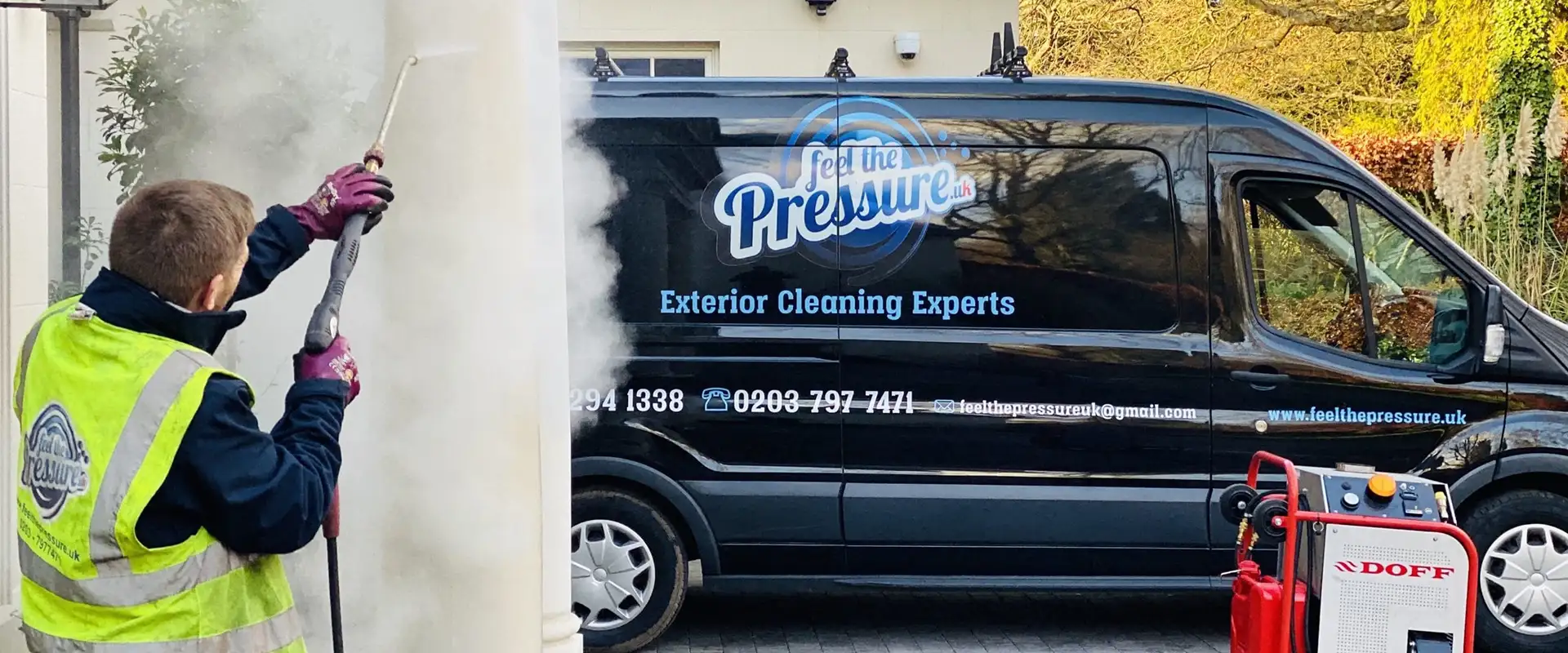
DOFF steam cleaning equipment, designed to clean brick, stone, render and other surfaces safely with superheated low-pressure steam.
What Is Pressure Washing?

Standard pressure washing — also commonly called jet washing or pressure cleaning — uses cold or lukewarm water forced out at high pressure to blast away dirt. The machines work by using a motor-driven pump to push water through a narrow nozzle, creating a powerful jet that can strip away surface grime quickly.

There are different types of pressure washers, from small electric models that homeowners use on garden patios, to industrial petrol or diesel machines capable of delivering very high pressures. Some commercial systems can also heat the water, which improves cleaning power but still relies mainly on force rather than temperature.

While this makes pressure washing an effective option for hard surfaces like concrete, block paving, or tarmac, it also shows why it can be too aggressive for other materials. On softer or porous surfaces like brick, sandstone, render, or roof tiles, the sheer force of the water jet can cause erosion, surface damage, or drive moisture deep inside the wall.

This is where the key difference lies: unlike DOFF steam cleaning, which uses controlled low pressure and high temperature, pressure washing depends on brute force. That’s why I only use it on durable surfaces that can withstand the impact, such as driveways, paving, and concrete yards. 

This is the key difference with DOFF: pressure washing depends on brute force, while DOFF relies on heat and gentle pressure to achieve the same result safely.

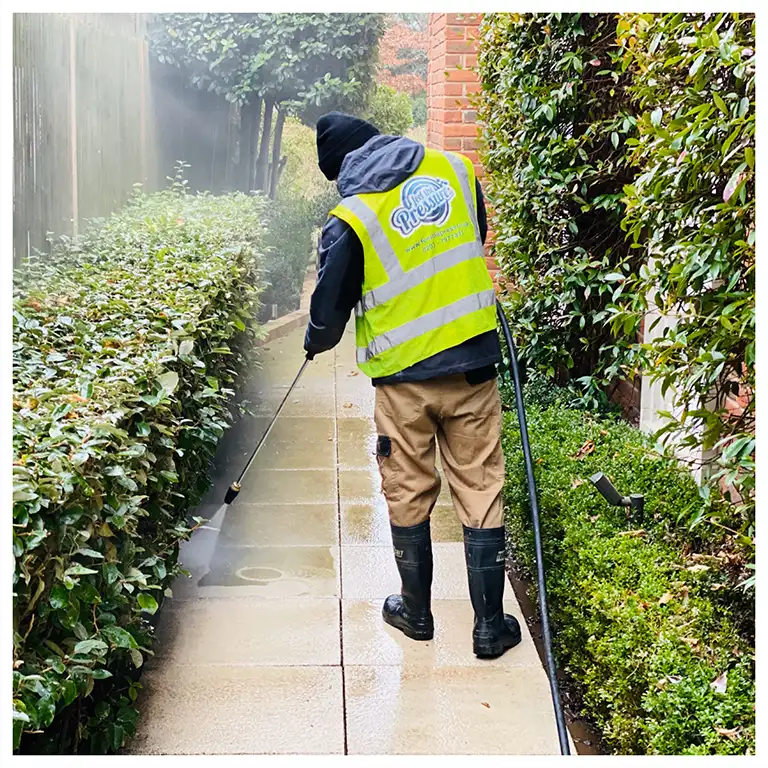
feel_the_pressure_patio_cleaning54.webp

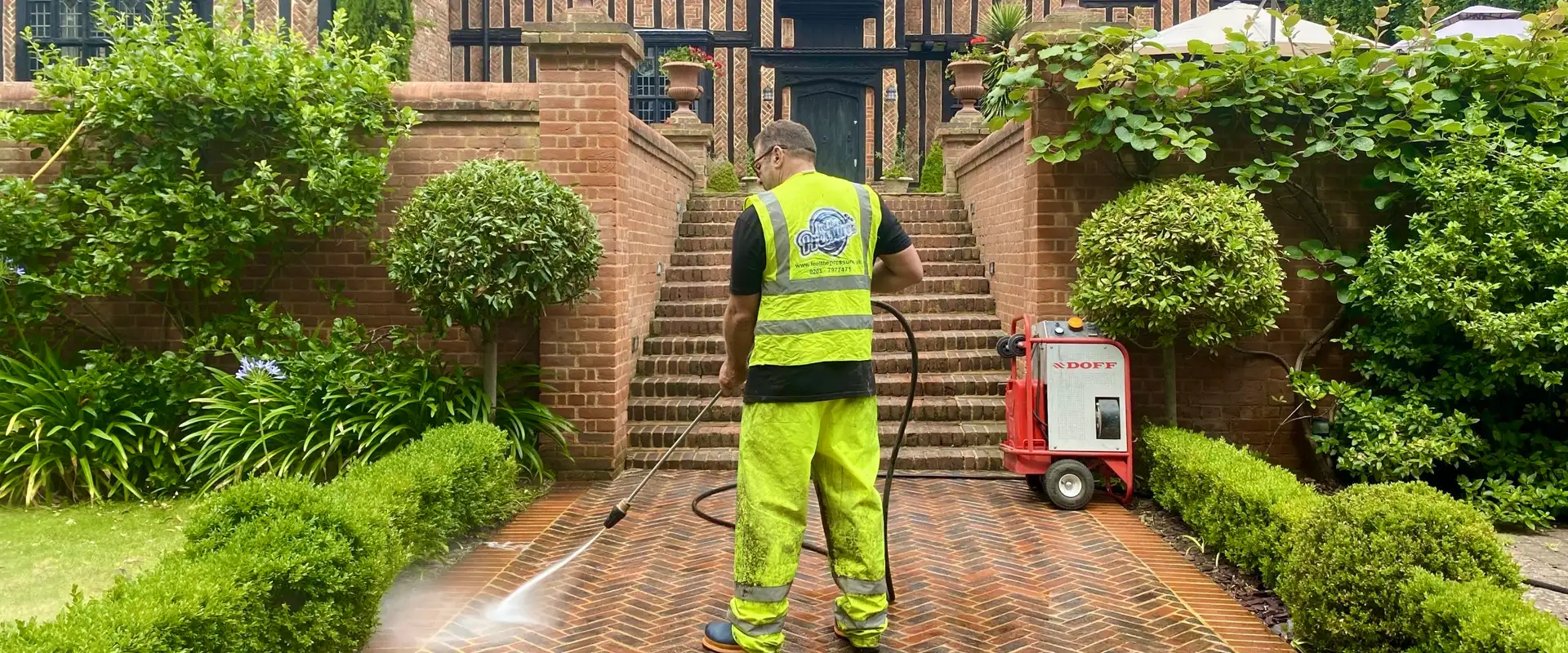
Pressure washing in action on a concrete pathway — effective for hard surfaces but unsuitable for delicate materials.
The Risks of Pressure Washing Delicate Surfaces

While pressure washing (sometimes referred to as power washing) may seem like a quick fix, it often does more harm than good — see also the FAQ below for a quick summary. On delicate materials such as brickwork, stone, render, and roof tiles, high-pressure jets can cause serious long-term problems that outweigh any short-term results.

  1. Brickwork erosion
    High-pressure jets strip away the protective face of soft bricks, leaving them porous and prone to frost damage and spalling.

  2. Stone and render damage
    On sandstone, limestone, or render, pressure washing can cause surface cracking, streaks, or etching that permanently alters the look of the wall.

  3. Mortar and pointing loss
    The force of pressure washing often washes out mortar joints, whether between bricks or stone blocks, leading to structural weakness and water ingress.

  4. Roof tile breakage
    On roofs, pressure washing can crack tiles, strip protective coatings, and drive water underneath, increasing the risk of leaks.

  5. Trapped moisture and damp
    By forcing water deep into walls or roofs, pressure washing saturates the surface. This prevents breathability and can lead to damp, mould, and interior damage.

  6. Short-lived results
    Cold water cleaning only removes surface dirt. Spores remain on bricks, stone, render, and roofs, so algae and moss return quickly.

  7. Not heritage-approved
    Conservation experts never recommend pressure washing for historic buildings. It’s considered too aggressive for delicate materials like heritage brick, sandstone, and lime mortar.

This is why I never use high-pressure washing on sensitive surfaces. Instead, I use DOFF steam cleaning for heritage and delicate materials, or chemical-assisted cleaning when tackling deep carbon staining. Pressure washing is only reserved for durable areas like driveways and paving.


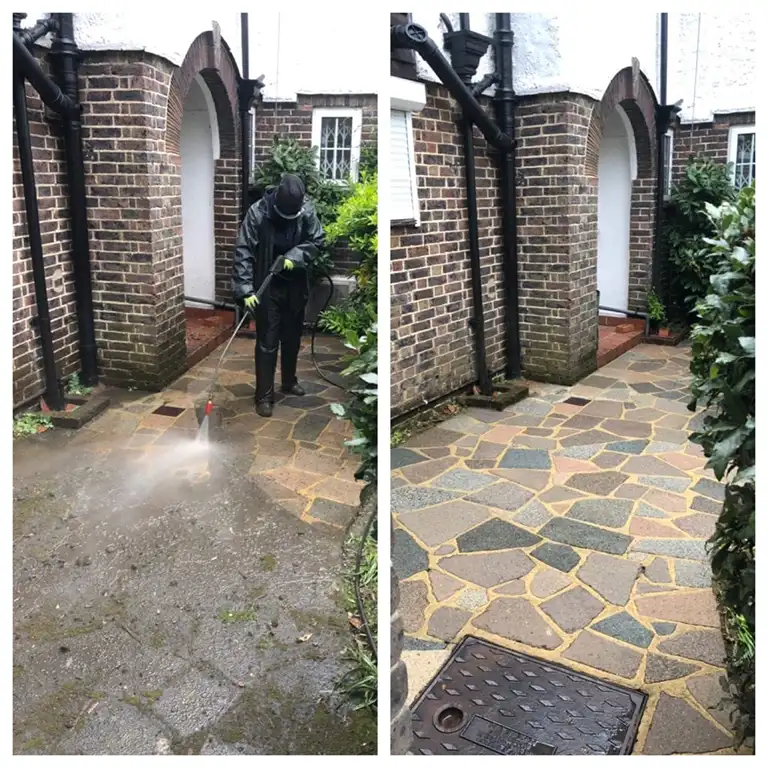
feel_the_pressure_patio_cleaning32.webp

Even on tough surfaces like concrete crazy paving, high-pressure washing can damage delicate pointing. Our team recommends DOFF steam cleaning as the safer, more efficient alternative, eliminating the risk of damage.
DOFF Cleaning vs Pressure Washing: The Key Differences

Here are the main differences between DOFF steam cleaning and standard pressure washing:

  1. Water temperature – DOFF: Superheated steam up to 150°C | Pressure washing: Cold or hot water

  2. Pressure – DOFF: Low pressure, gentle | Pressure washing: High pressure, abrasive

  3. Surface safety – DOFF: Safe for brick, stone, render, roofs, heritage properties | Pressure washing: Risk of damage on delicate materials

  4. Breathability – DOFF: Surfaces stay breathable | Pressure washing: Moisture risk

  5. Effectiveness – DOFF: Removes dirt, carbon, paint flakes, moss, algae, growth | Pressure washing: Only removes surface dirt

  6. Best use cases – DOFF: Brickwork, natural stone, render, listed buildings, patios, paint removal | Pressure washing: Driveways, block paving, concrete, hard landscaping

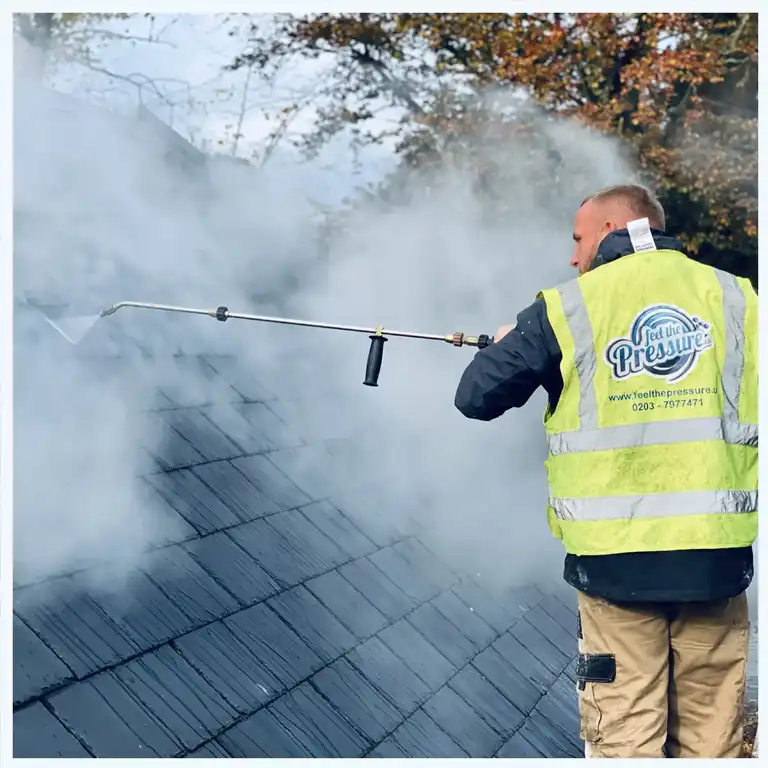
feel_the_pressure_roof_cleaning3.webp

DOFF steam cleaning a natural slate roof — the gentle low-pressure method that removes moss and staining without harming the tiles.
When to Choose DOFF Cleaning

DOFF steam cleaning isn’t just for historic or delicate buildings — it’s effective on all types of natural stone and brickwork, from Victorian yellow stock and soft red bricks to sandstone, limestone, granite, and modern facing bricks. Unlike high-pressure washing, DOFF gently lifts staining and organic growth while keeping the surface safe and breathable.

This makes DOFF the go-to method for:

In short, DOFF is versatile enough for everyday brickwork, natural stone, and delicate heritage surfaces, while still being trusted on listed properties and conservation projects.

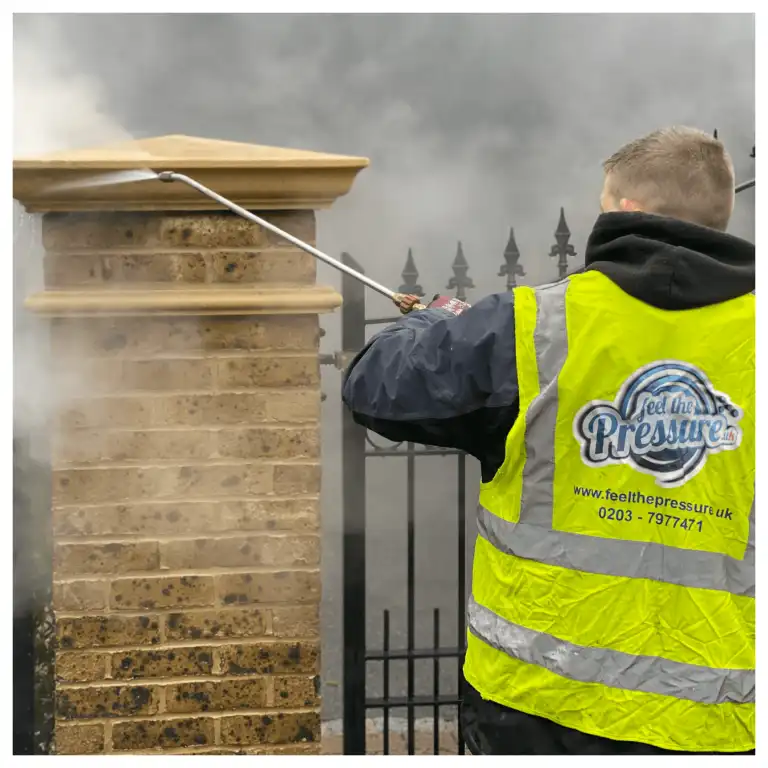
feel_the_pressure_stone_cleaning6.webp

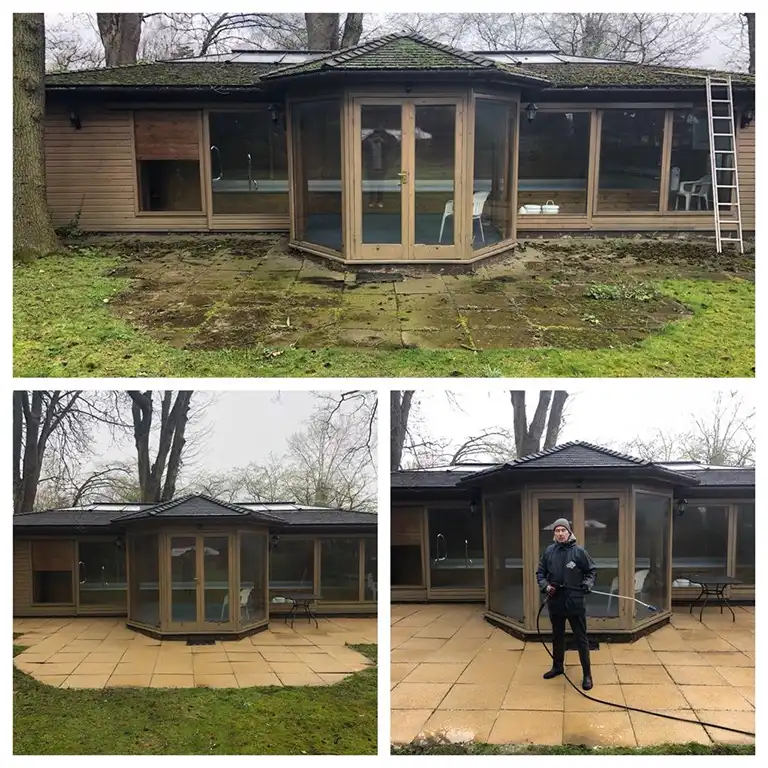
DOFF steam cleaning used on a heritage stone pillar — ideal for natural stone, brickwork, render, and other delicate or historic surfaces where pressure washing could cause damage
When Pressure Washing Is Suitable

Pressure washing — whether done with cold water, hot water, or what many people call jet washing — has its place. It’s quick, powerful, and effective when used on the right materials. I only recommend it for durable, non-porous surfaces that can withstand high pressure without risk of damage.

The best uses for pressure washing include:

  • Driveways — cleaning concrete, asphalt, or resin-bound surfaces

  • Block paving — lifting surface dirt, weeds, and algae from tough pavers

  • Concrete yards or hardstanding — where large areas need fast, effective cleaning

  • Industrial or commercial surfaces — removing grime and tyre marks from warehouses or loading bays

For these projects, I offer a dedicated pressure washing service. By matching the right method to the right surface, you get a deep clean without the risks of damage that come with using pressure washing on brickwork, stone, render, or roofs.

feel_the_pressure_patio_cleaning12.webp

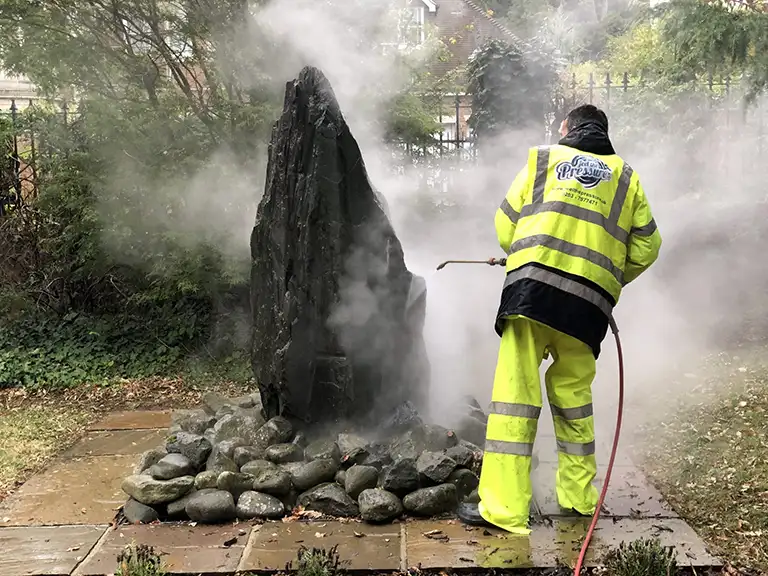
This patio clean shows where pressure washing truly excels — cutting through thick foliage, moss, weeds, and heavy grime on hard concrete surfaces. DOFF steam cleaning is designed for delicate materials, so while it’s the safer choice for heritage brick or stone, pressure washing is the faster, more efficient method for durable paving like this.
Why DOFF Is the Safer Alternative to Pressure Washing

Pressure washing has its place — it’s quick and effective on durable surfaces such as driveways, block paving, and concrete. But when it comes to brickwork, stone, render, or roof tiles, the risks often outweigh the results. High pressure can erode surfaces, wash out mortar, and force water deep inside, leading to damp and long-term damage.

That’s where DOFF is different. By using superheated steam at low pressure, DOFF cleans deeply without damaging the surface or trapping moisture. It’s trusted on everything from Victorian brickwork and listed buildings to natural stone patios, delicate render, and roof tiles. DOFF removes dirt, carbon staining, algae, moss, and paint flakes while keeping surfaces safe and breathable — something pressure washing simply can’t achieve on delicate materials.

And for the few surfaces where pressure washing is the right choice, I can also use heated pressure washing equipment. This gives you the best of both worlds: the extra cleaning power of heat combined with the strength of high pressure. It means every job gets the safest, most effective method for that surface, using the best equipment available.

For tougher jobs, I may also combine DOFF with chemical-assisted brick cleaning for heavy carbon staining, or with new build cleaning to safely remove mortar smears. But for sensitive or heritage-safe cleaning, DOFF remains the proven alternative to pressure washing.

feelthepressure_stone_cleaning189.webp

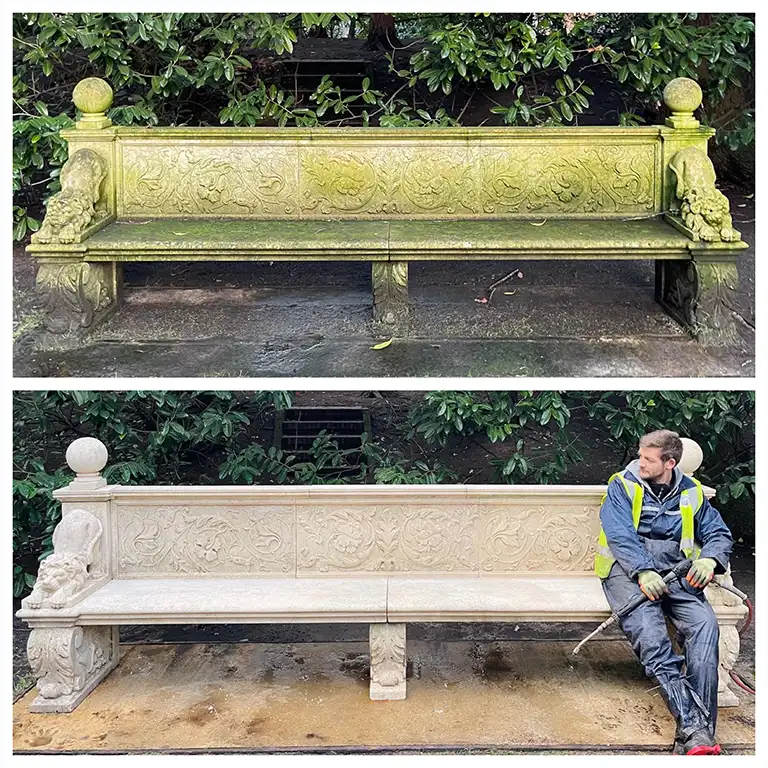
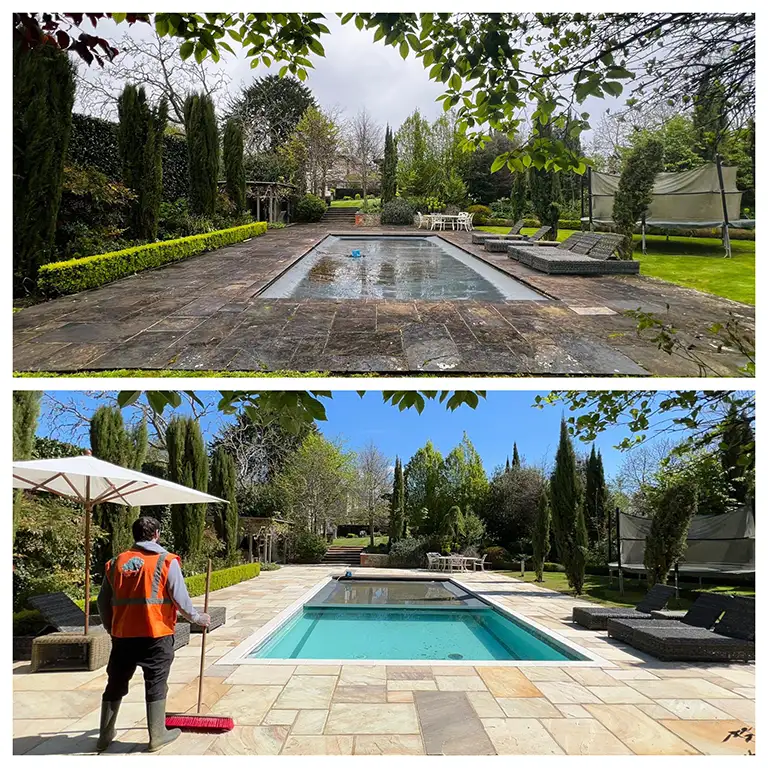
DOFF steam cleaning is the safer alternative to pressure washing on delicate natural stone. Using superheated low-pressure steam, it gently removes algae, moss, and surface contaminants without risking cracks, erosion, or damage to the stonework.
The Bottom Line

DOFF cleaning and pressure washing are very different methods — and choosing the right one makes all the difference. Pressure washing (sometimes called jet washing) has its place on tough, durable surfaces like driveways, block paving, and concrete. But for brickwork, natural stone, render, and roof tiles, DOFF steam cleaning is the proven safe choice.

Unlike pressure washing, DOFF doesn’t rely on brute force. It uses superheated steam at low pressure to lift dirt, staining, moss, algae, and paint flakes while keeping surfaces breathable and undamaged. That’s why it’s trusted on everything from Victorian terraces and listed buildings to modern homes, patios, and delicate stonework.

At Feel the Pressure UK, every job comes with a free test patch so you can see the results upfront before committing. No risks, no guesswork — just the safest, most effective cleaning method for your property.

Call me today to arrange your free test patch and see for yourself why DOFF is the safer alternative to pressure washing.


feel_the_pressure_patio_cleaning.webp

The results speak for themselves — professional exterior cleaning transforms even the heaviest staining into bright, welcoming spaces. Whether it’s DOFF steam for delicate stone or pressure washing for durable paving, choosing the right method delivers safe, efficient, and lasting results.
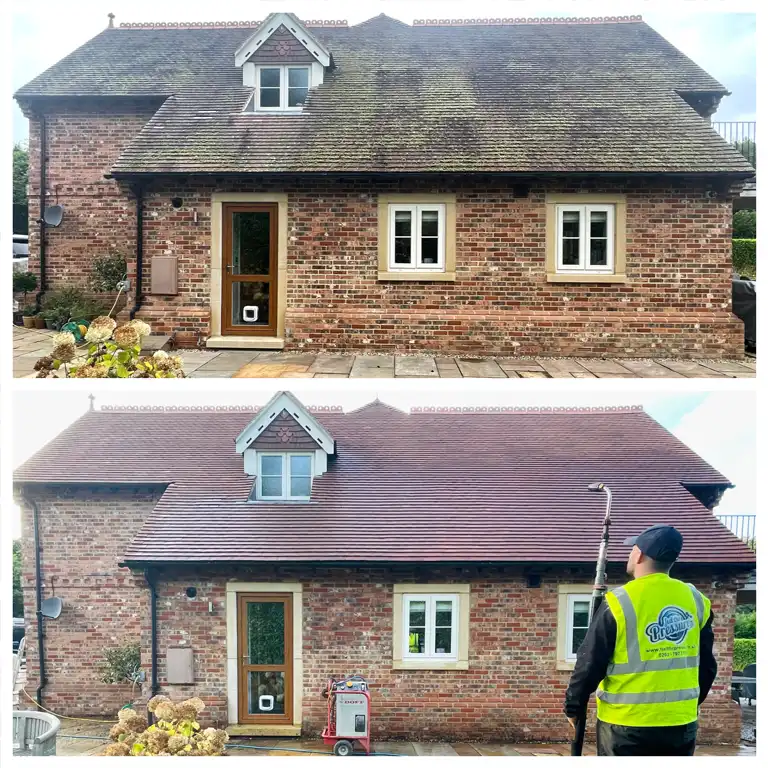
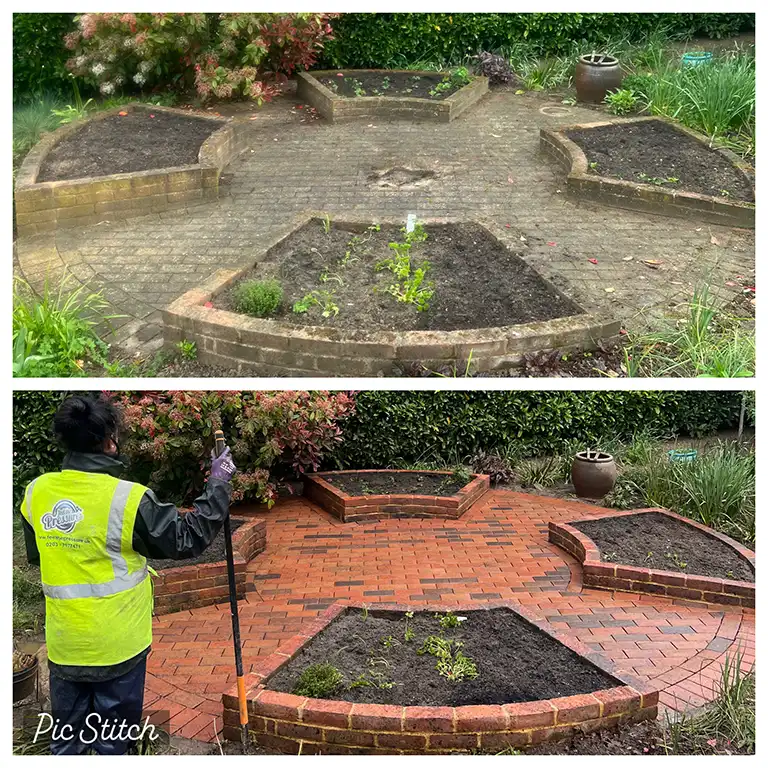
Image Gallery

Feel The Pressure Roof Cleaning4
Feel The Pressure Patio Cleaning13
Feel The Pressure Stone Cleaning1

FAQ

Doff vs Pressure Washing Blog-

Is DOFF cleaning better than pressure washing?-

Yes — DOFF cleaning is safer and more effective than pressure washing for brickwork, natural stone, render, and roofs. DOFF uses superheated steam at low pressure, so it removes dirt, moss, algae, paint flakes, and carbon staining without damaging the surface. Pressure washing, on the other hand, relies on high force and can erode bricks, mortar, or roof tiles. That’s why DOFF is the method approved by conservation experts for listed buildings and heritage properties. Learn more on our DOFF Steam Cleaning page.

What is more expensive, DOFF or pressure washing?+

In general, DOFF cleaning is more expensive than standard pressure washing. The reason is that DOFF uses specialist equipment, superheated steam, and is designed for sensitive or historic surfaces where safety is critical. It’s a skilled process that takes more care than blasting with a high-pressure washer.

However, the real value of DOFF is in the long term. Pressure washing might be cheaper upfront, but if it damages brickwork, stone, mortar, or roof tiles, the repair costs can far outweigh the difference. DOFF avoids these risks and delivers results that last longer, especially when removing carbon staining, biological growth, or old paint.

For a clear idea of cost, see my dedicated DOFF Steam Cleaning service page or request a free test patch to compare the results for yourself.

Can pressure washing damage brick or stone?+

Yes — pressure washing can erode brick faces, wash out mortar joints, and even crack natural stone like sandstone or limestone. It also risks driving water into the wall, which can lead to damp problems. For this reason, Our team a Feel the pressure UK never use pressure washing on delicate surfaces, only on tough areas such as Driveways, block-paving and concrete.

Why is DOFF approved for listed buildings but pressure washing isn’t?+

Conservation bodies such as English Heritage and Historic England approve DOFF steam cleaning because it’s gentle, safe, and keeps surfaces breathable. The system uses low-pressure superheated steam, which lifts staining and growth without eroding brick or stone. Pressure washing is not approved for listed buildings because it is too aggressive — it can strip away historic surfaces, weaken lime mortar, and trap water inside the walls. See how DOFF is used on period and historic properties on our Stone Cleaning and Brick Cleaning pages.

When should I use pressure washing instead of DOFF?+

Pressure washing is best for durable, non-porous surfaces that can withstand high force. This includes:

  • Concrete driveways and yards

  • Block paving

  • Industrial hardstanding

  • Some modern external surfaces

In these cases, pressure washing provides a fast and cost-effective clean. But for brickwork, render, stone, roofs, or any delicate surface, DOFF is the safer alternative. For more on durable cleaning jobs, see our Pressure Washing Service Page.

Does DOFF cleaning take longer than pressure washing?+

Yes — DOFF cleaning takes more time than pressure washing because it is carried out carefully at low pressure. Pressure washing is fast but aggressive, while DOFF is slower and controlled to ensure surfaces are cleaned without harm. Although it may take longer, DOFF delivers results that last longer and avoids the risks of damage.

Show More Show Less

Our Customer Feedback